
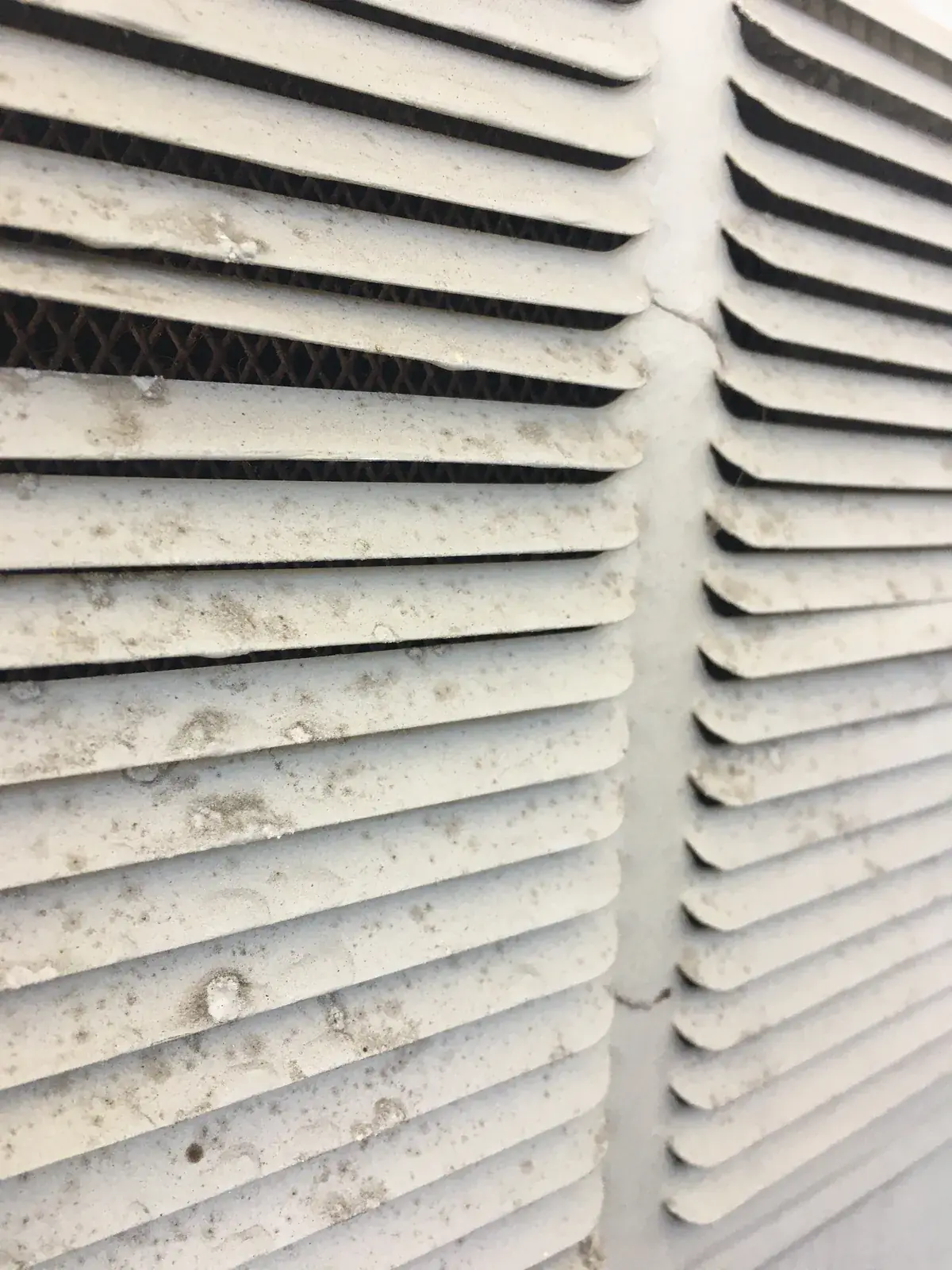
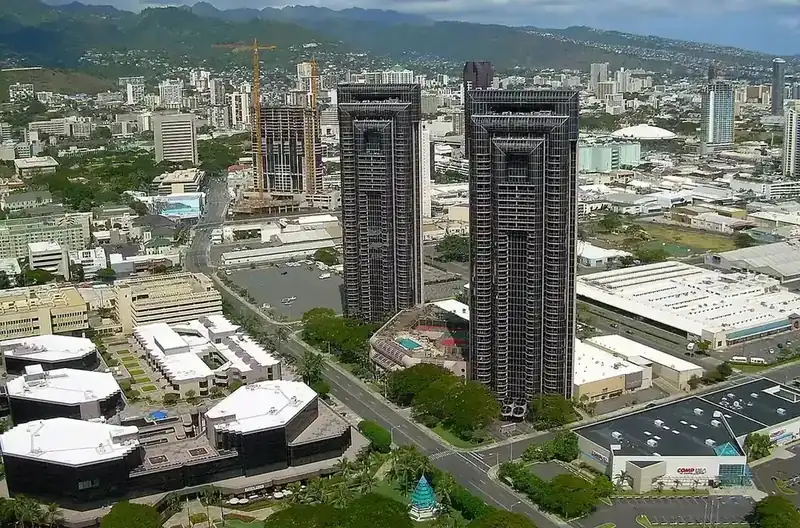
Condo and High-Rise Vents
Unit branch ducts in shared-riser towers, cleaned with the building's own rules in mind.
More on Condo and High-Rise Vents →
Lint that slips past the screen settles in the duct, slows the airflow and stretches every load. We clear the duct, the outside cap and the floor behind the machine, then check that air is really leaving the building.
From detached houses in Kailua to stacked laundry in Waimalu towers, every job starts with where the duct runs and where it ends.
Unit branch ducts in shared-riser towers, cleaned with the building's own rules in mind.
More on Condo and High-Rise Vents →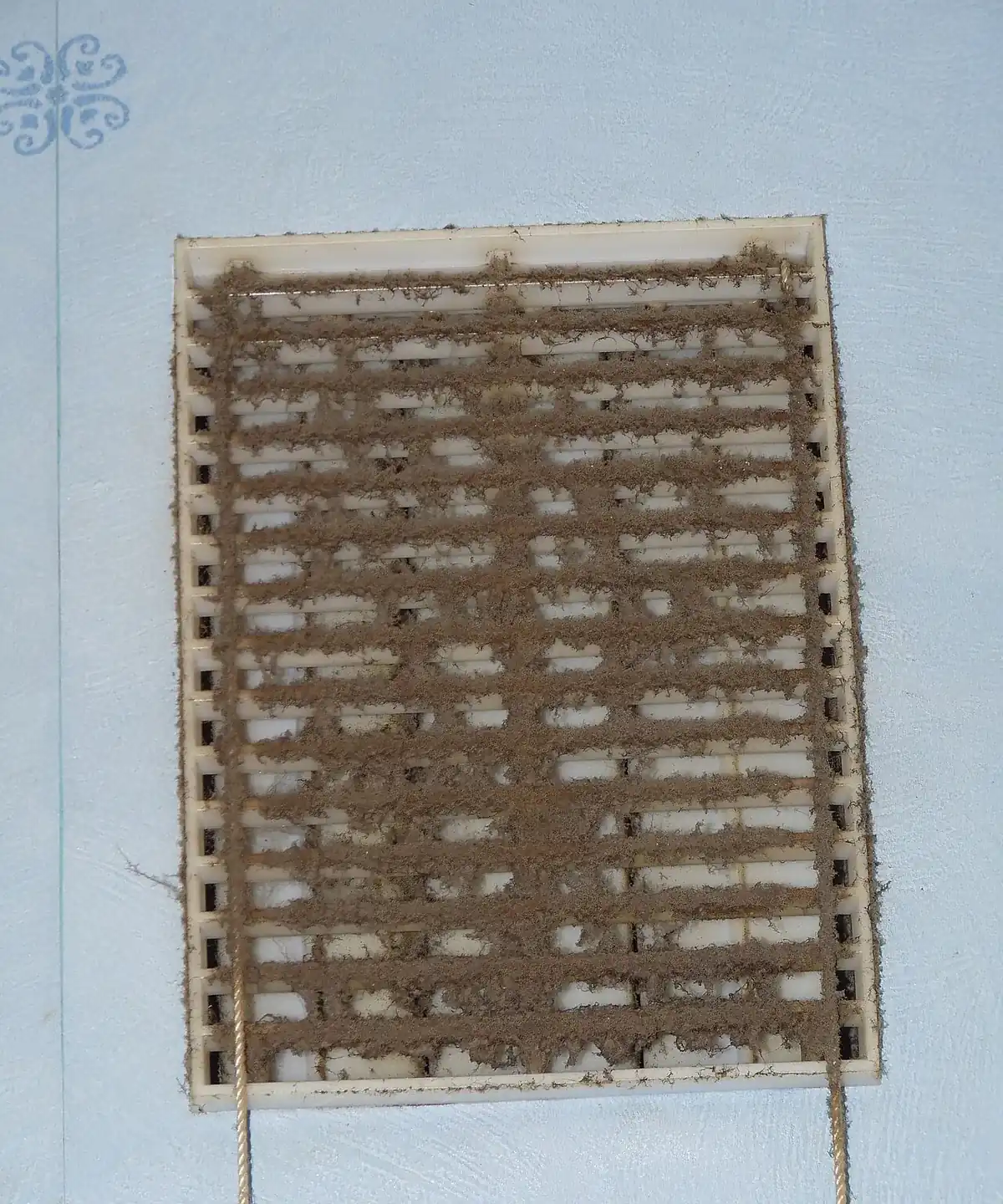
A camera look and an airflow reading that show what the duct is really like inside.
More on Dryer Vent Inspection →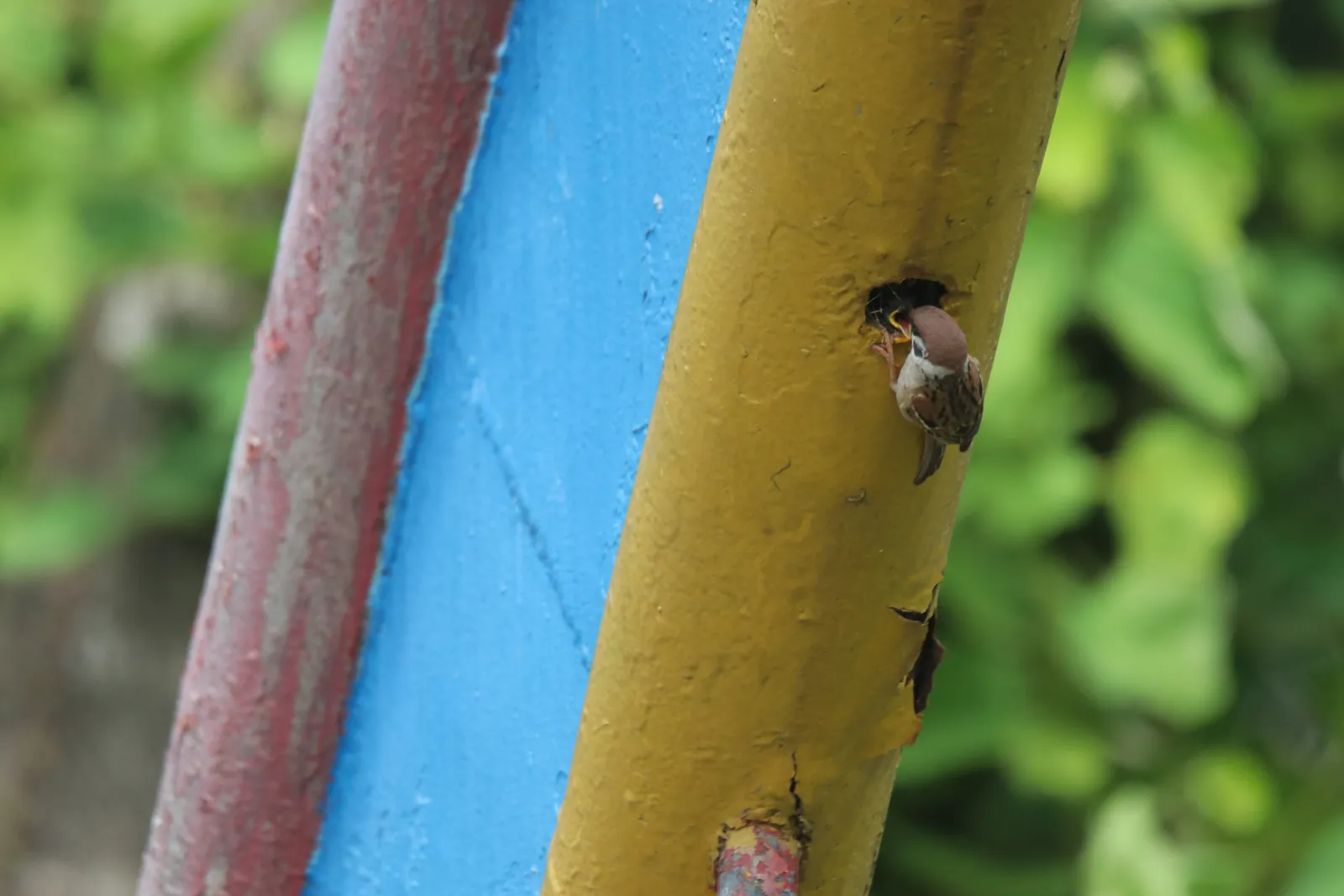
Nests and packed lint pulled from the outside cap so the damper can swing again.
More on Bird Nest Removal →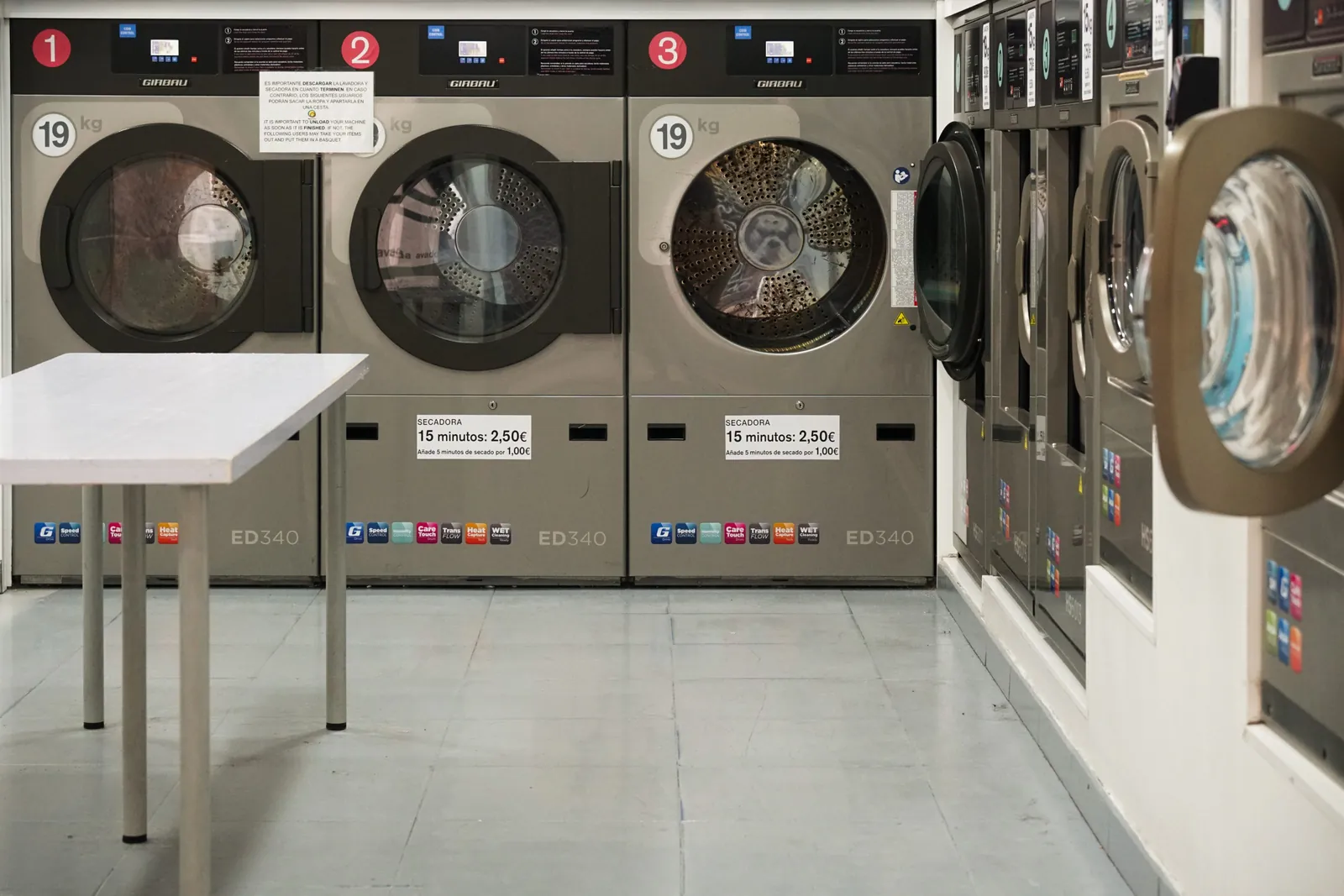
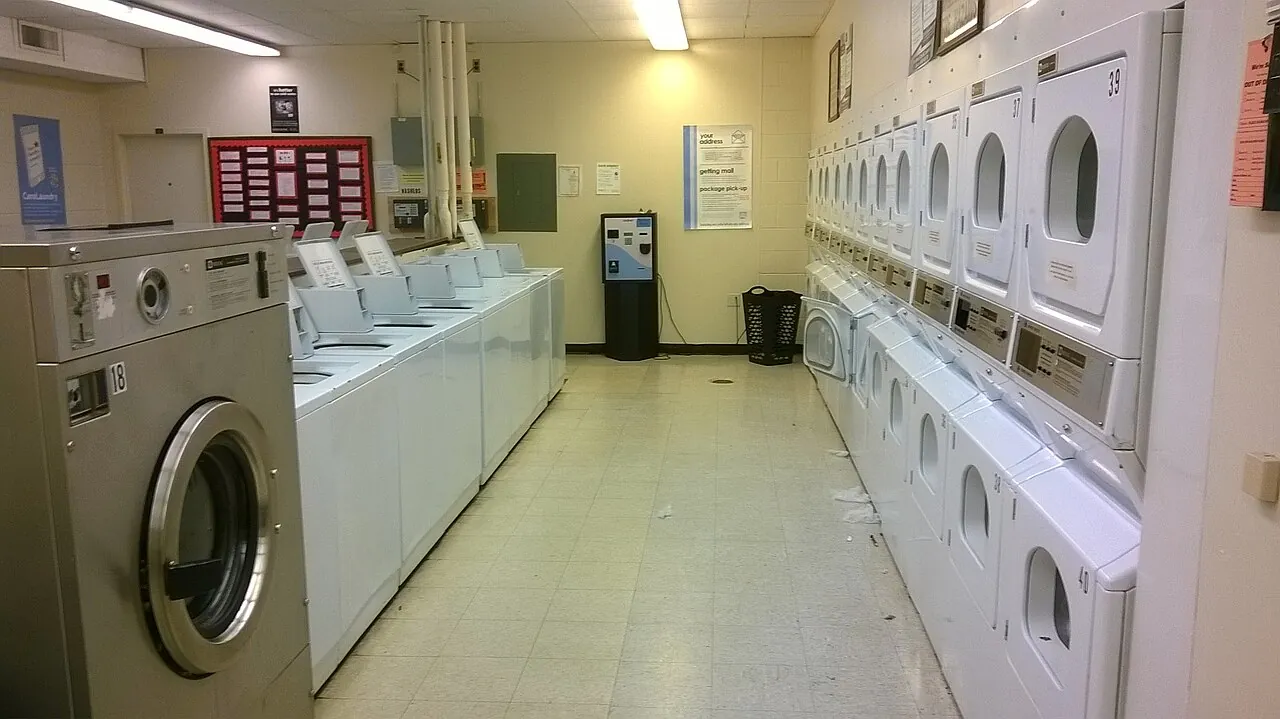
Multi-dryer exhaust for coin laundries, hotels and building laundry rooms.
More on Commercial Dryer Vents →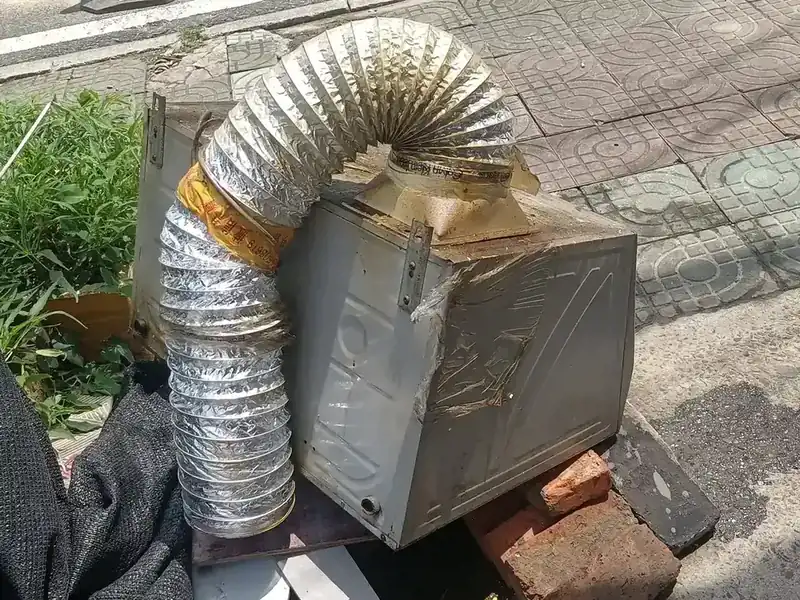
Crushed connectors, foil duct and stray screws: what cleaning fixes and what it cannot.
More on Dryer Vent Repair →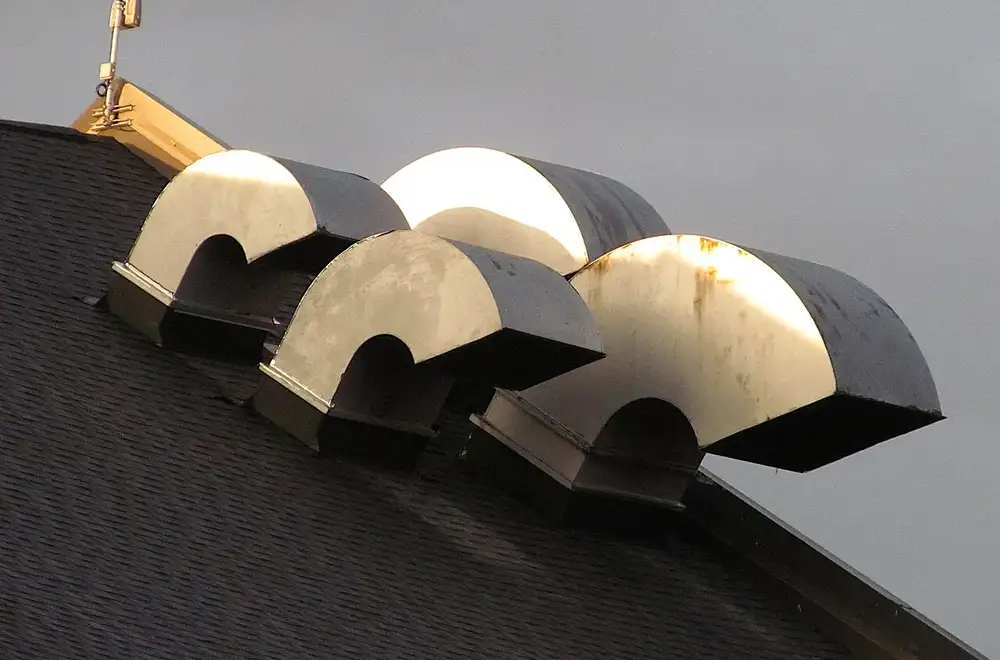
Code length limits and routing rules to know before any duct is moved or replaced.
More on Dryer Vent Installation →CPSC names two warning signs: clothes still damp after a normal cycle, and drying that takes longer than it used to. Whirlpool adds a third, a dryer top that runs hot. The full list is in our guide to signs of a clogged dryer vent.
Moist air cannot get out fast enough, so the load stays wet. A restricted duct is the first suspect.
Two cycles where one used to do. Every extra run pushes more lint into a duct that is already narrowing.
Heat that should leave the building builds up in the cabinet. Whirlpool lists it as a blockage sign.
Lint packs into the exterior hood and holds the damper closed, so exhaust has nowhere to go.
Pushing the dryer back flattens a foil connector. CPSC calls kinking and crushing its main weakness.
USFA lists nests of small birds and animals among the blockages that can lead to overheating.
Because the screen catches most of the lint, not all of it. What gets past rides the exhaust into the duct and settles there, and lint is very combustible. USFA figures for 2008 to 2010 put failure to clean as the leading factor in residential dryer fires, at 34 percent. On Oahu a slow vent also shows up on the power bill: Hawaii's average residential rate was 48.00 cents per kWh in July 2026, against 18.31 cents nationally. A full cleaning covers the duct, the outside cap and the floor behind the machine, then checks that air actually leaves the building. That last step is the one people skip.
Code, CPSC and the dryer makers line up on the order below. Most of the trouble we see starts in the first two rows.
| Duct type | Smooth inside | What code says | Crush risk | Where it fits |
|---|---|---|---|---|
| Plastic or vinyl | No | Not allowed; exhaust duct must be metal | High | Nowhere. Replace it |
| Foil accordion | No | Never concealed; a connector only if listed to UL 2158A | High | CPSC advises swapping it |
| Semi-rigid metal | No | Transition duct if UL 2158A, 8 ft max, never in a wall | Low | Behind the machine |
| Rigid metal | Yes | No. 28 gage minimum, 4 in., smooth inside | Very low | Inside walls and ceilings |
Two things set Oahu apart. The first is the housing. About 41 percent of the island's units sit in buildings of three or more units, and in urban Honolulu nearly half are in buildings of 20 or more, where stacked laundry feeds long runs or shared risers. The second is the air: lowland humidity runs about 70 to 80 percent on the windward side and 60 to 70 on the leeward side, and there is no heating season, so dryers work in the same warm, damp conditions all year. Age adds the rest. Two out of three homes here were built between 1940 and 1989, decades before the 2018 code Hawaii uses today.

We look at the dryer connection, the transition duct and the outside cap first, and take a starting airflow reading where the run allows it.
The dryer comes away from the wall and the duct comes off the machine, so nothing we loosen ends up back in the drum.
A rotary brush on flexible rods scrubs the duct walls while a high-suction vacuum pulls the lint out, from the outside end where needed.
The cap is cleared, the floor behind the dryer cleaned and the joints checked. Then the dryer runs so we can see exhaust leaving the cap.
Calls come from Kailua and Kaneohe on the wet windward side, the newer Ewa and Kapolei tracts, Mililani up on the central plateau, the Waianae coast and the North Shore. Same checklist on every visit, wherever the vent is.