
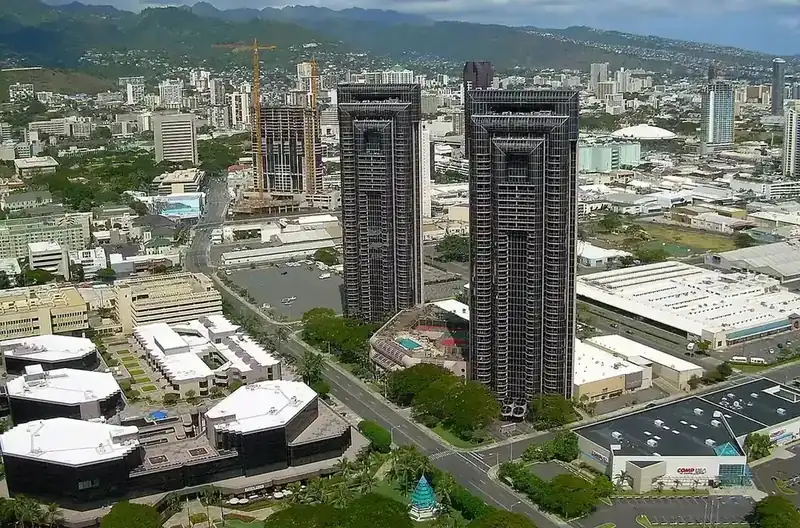
Condo and High-Rise Vents
Unit branch ducts in shared-riser towers, cleaned with the building's own rules in mind.
More on Condo and High-Rise Vents →Some vents are not dirty, they are built wrong: a crushed connector, foil duct, screws in the airstream, a run that ends in the attic. Here is how to tell the difference, and what Hawaii's contractor law says about the fix.
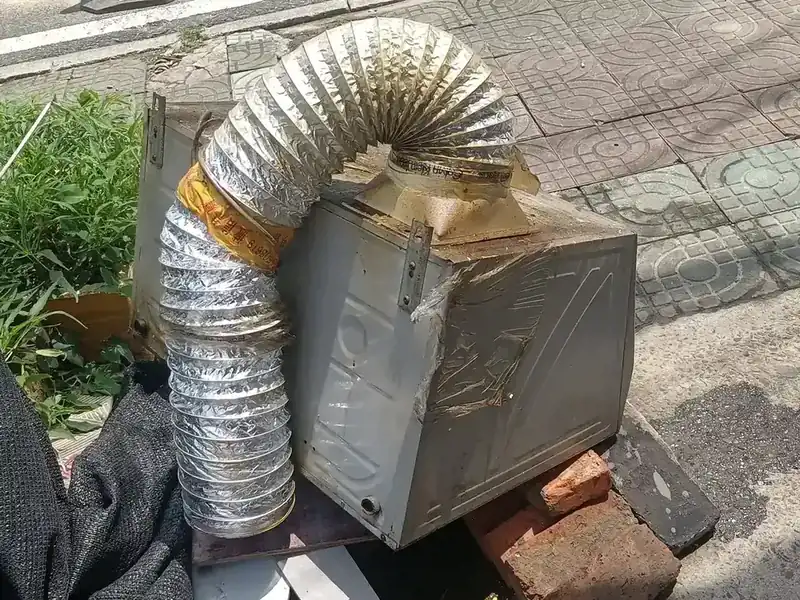
The ones where the duct itself is the problem. Cleaning removes lint; it cannot un-crush a connector or turn foil into metal. These are the faults an inspection turns up most, each tied to a specific line in the residential code Hawaii has adopted.
| What matters | Cleaning and inspection | Repair, replacement or reroute |
|---|---|---|
| What it changes | Removes lint, nests and debris | Changes the duct, its route or the cap |
| Typical trigger | Long drying, lint at the cap, a nest | Crushed, foil or plastic duct; a run too long |
| Hawaii contractor law | No primary source found that classifies cleaning | Duct work sits inside the C-52 and C-44 specialty scopes |
| Permits | Not involved | Ask the City and County of Honolulu before work starts |
| What we do | This is our work | We document it; we do not advertise it |
The inspection names the fault: what it is, where it sits in the run, and which code line it misses.
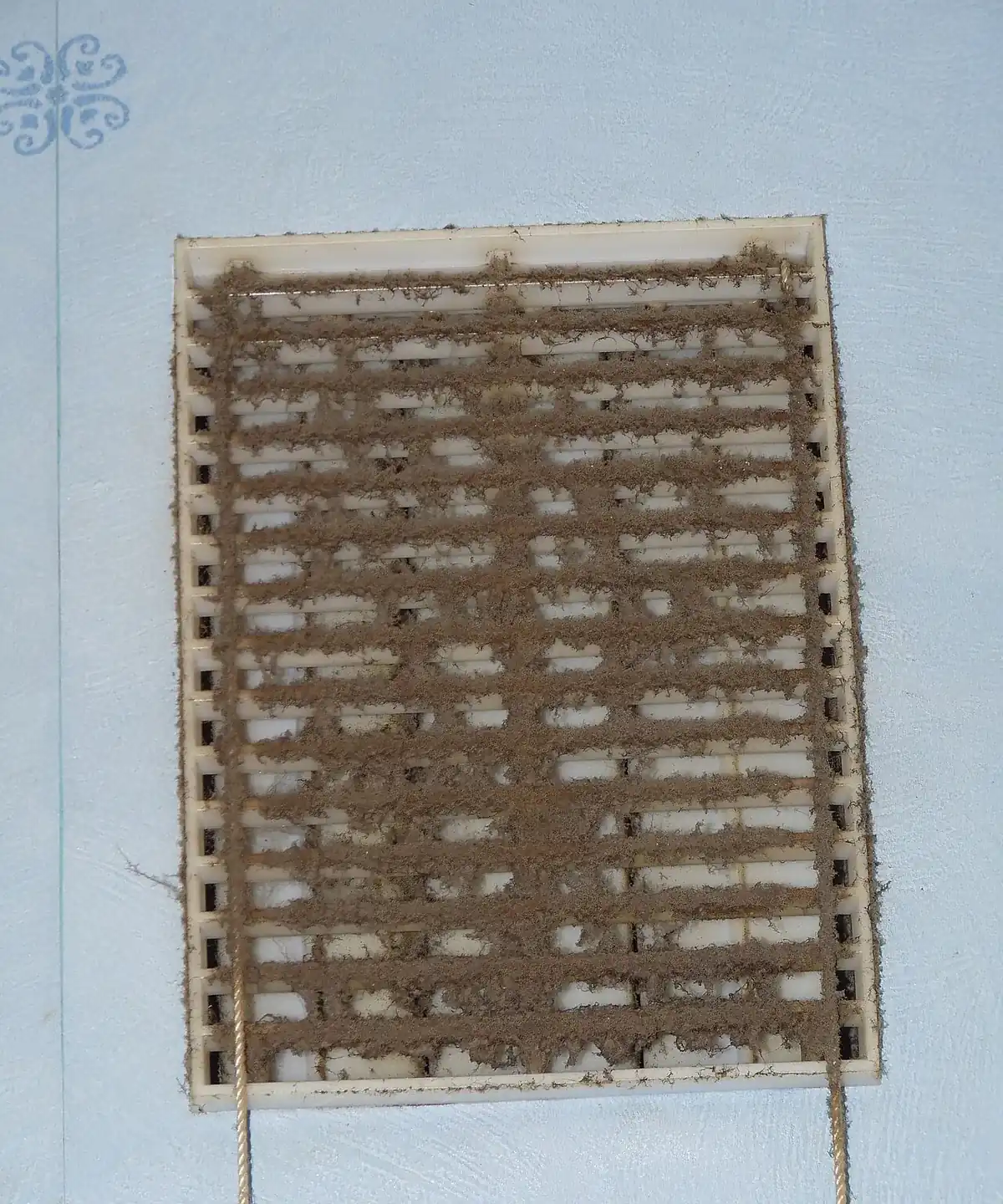
Lint and debris come out of the parts of the run that are sound, so the dryer works as well as the duct allows.
You get notes on the fault, the duct length and the cap, so the next person starts from facts, not guesses.
Duct replacement and rerouting are contracting work in Hawaii, so we explain what to ask for and who handles it.
Because changing duct is a different kind of job from cleaning it. Hawaii defines a contractor broadly, as anyone who offers or undertakes to alter, repair or improve a building (HRS 444-1). Replacing or rerouting duct is installation of duct work, which sits inside the written scope of the C-52 ventilating and C-44 sheet metal classifications. A small-job exemption exists for minor work, but it is lost whenever a building permit is required, and it never allows advertising as a contractor (HRS 444-9.2). The fix itself is set by the 2018 code Hawaii adopted for homes, with no change to its dryer exhaust section.
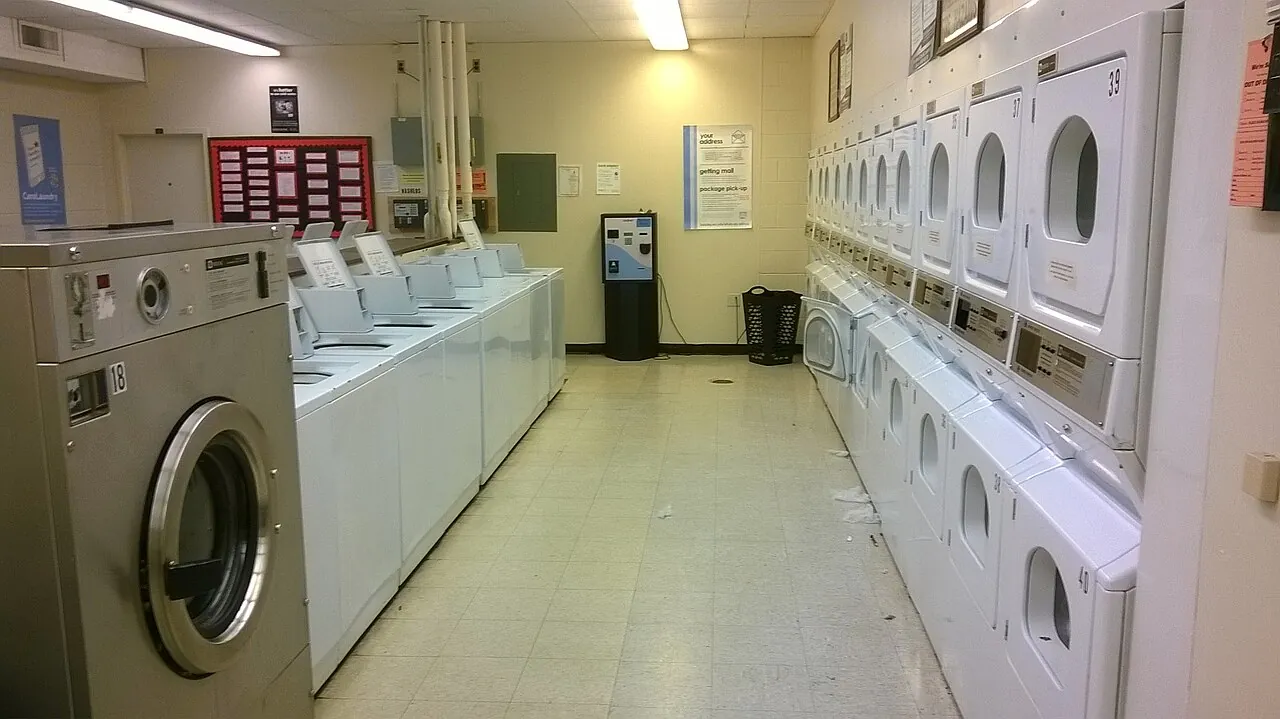
Cleaning and inspection are what we do. These pages cover the rest of the picture.
Unit branch ducts in shared-riser towers, cleaned with the building's own rules in mind.
More on Condo and High-Rise Vents →A camera look and an airflow reading that show what the duct is really like inside.
More on Dryer Vent Inspection →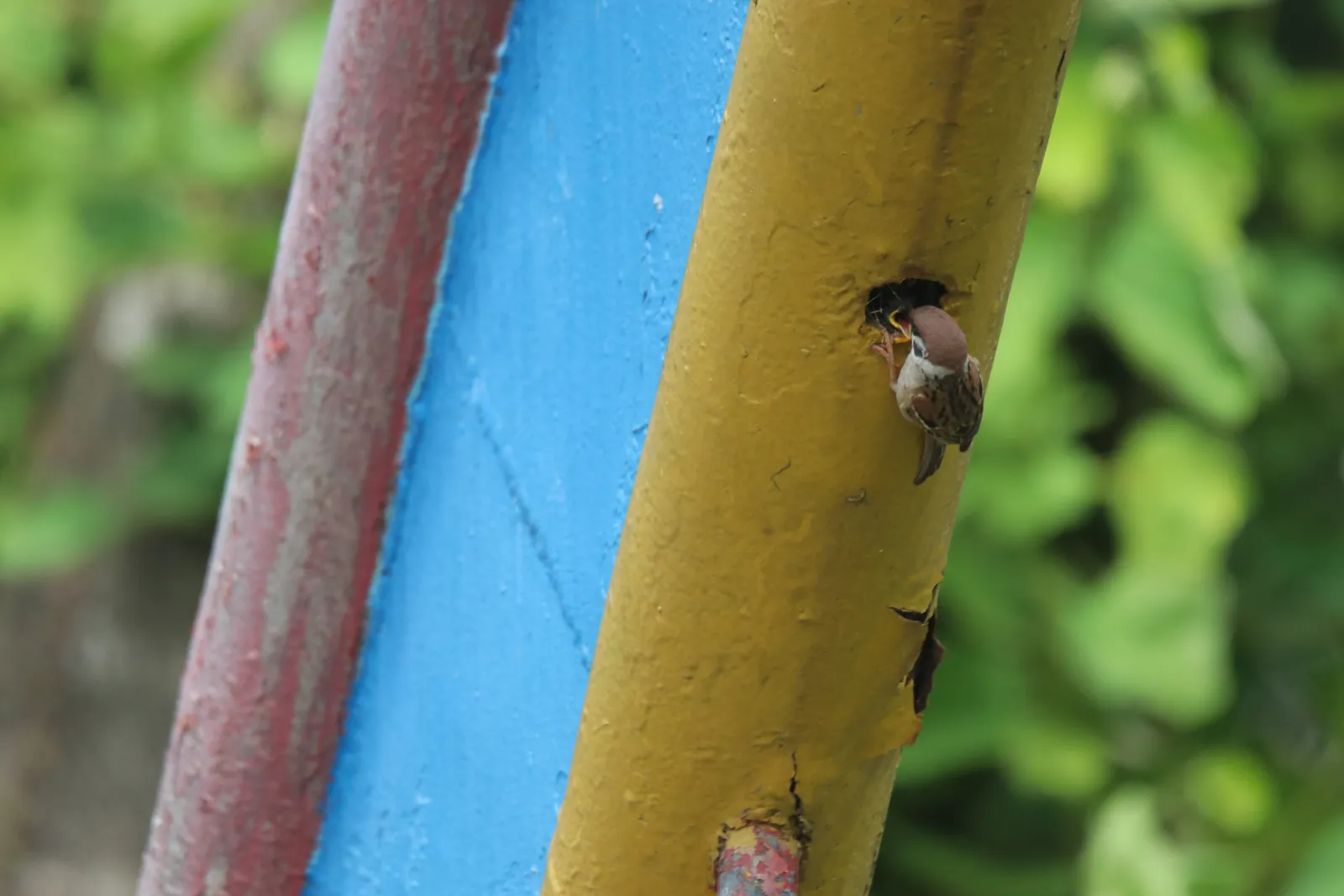
Nests and packed lint pulled from the outside cap so the damper can swing again.
More on Bird Nest Removal →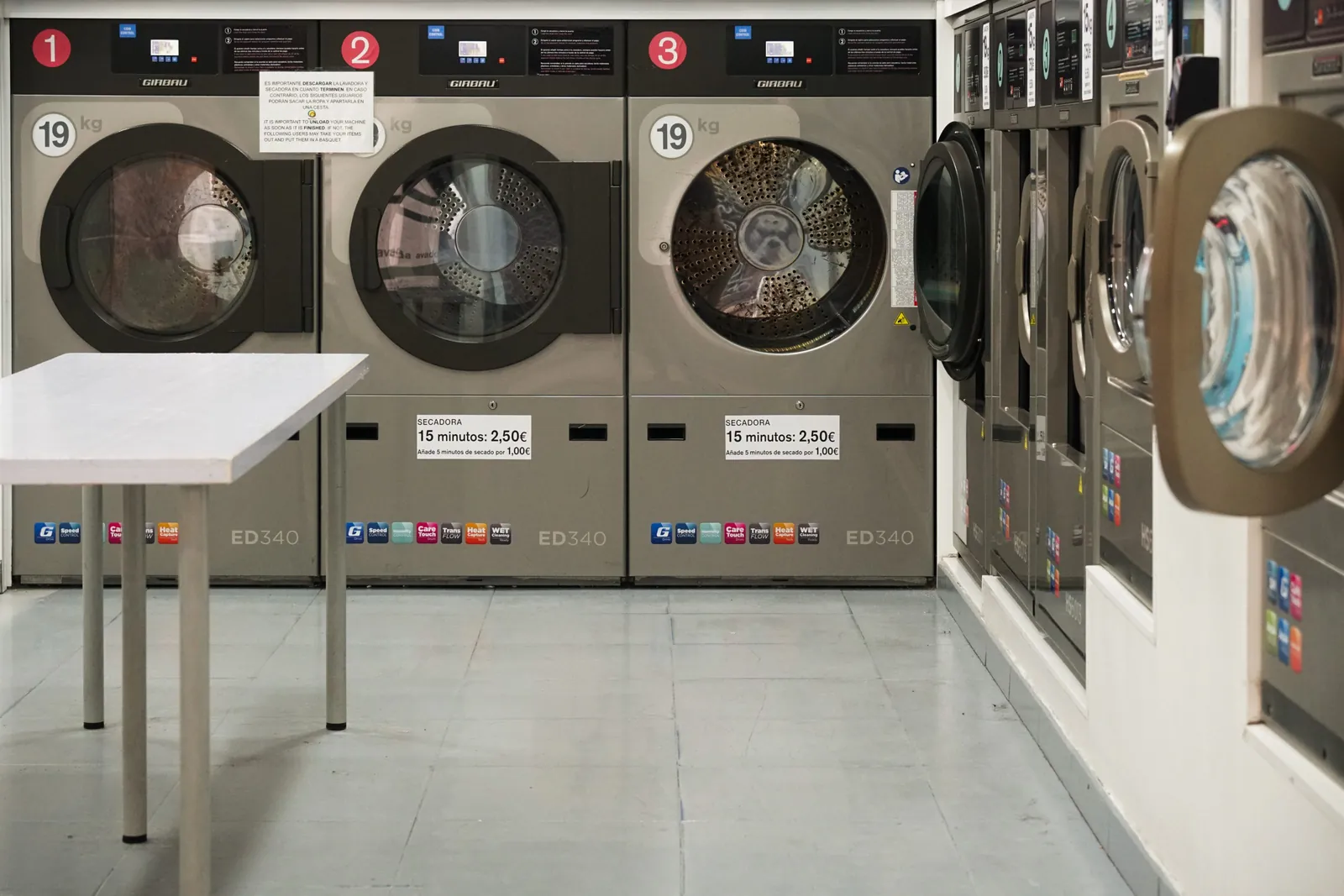
Multi-dryer exhaust for coin laundries, hotels and building laundry rooms.
More on Commercial Dryer Vents →Crushed connectors, foil duct and stray screws: what cleaning fixes and what it cannot.
More on Dryer Vent Repair →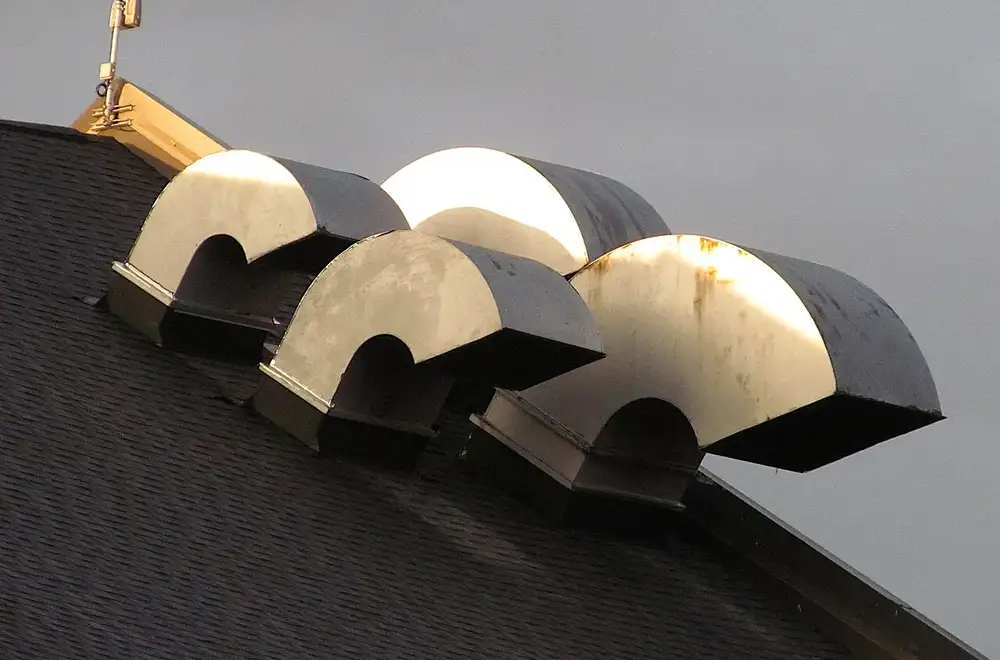
Code length limits and routing rules to know before any duct is moved or replaced.
More on Dryer Vent Installation →