
Service Area About FAQ Contact Call (808) 468-7725
Fire safety

Dryer fire prevention: what the data says

Dryer fires are a small share of house fires, and the leading cause is one of the easiest to fix. Here are the national numbers, where they come from, and the habits that matter.
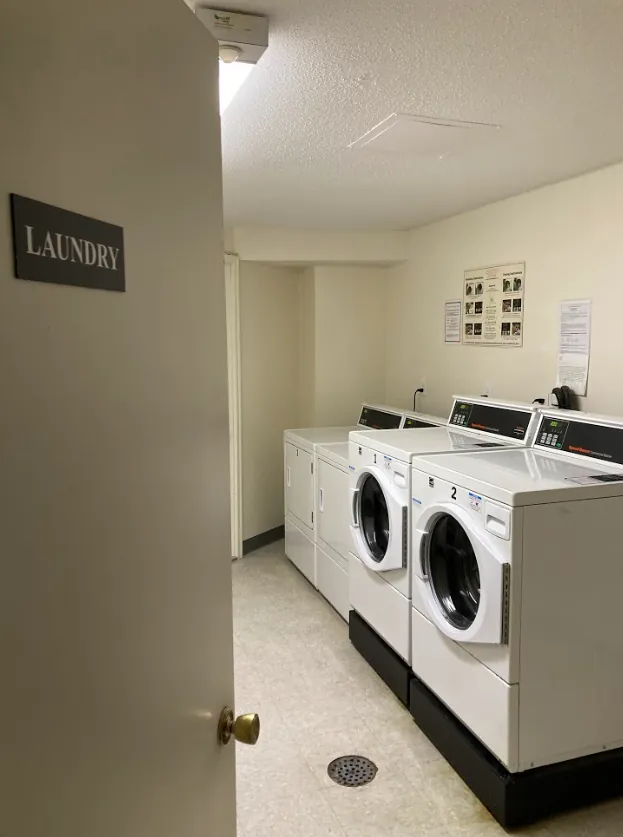
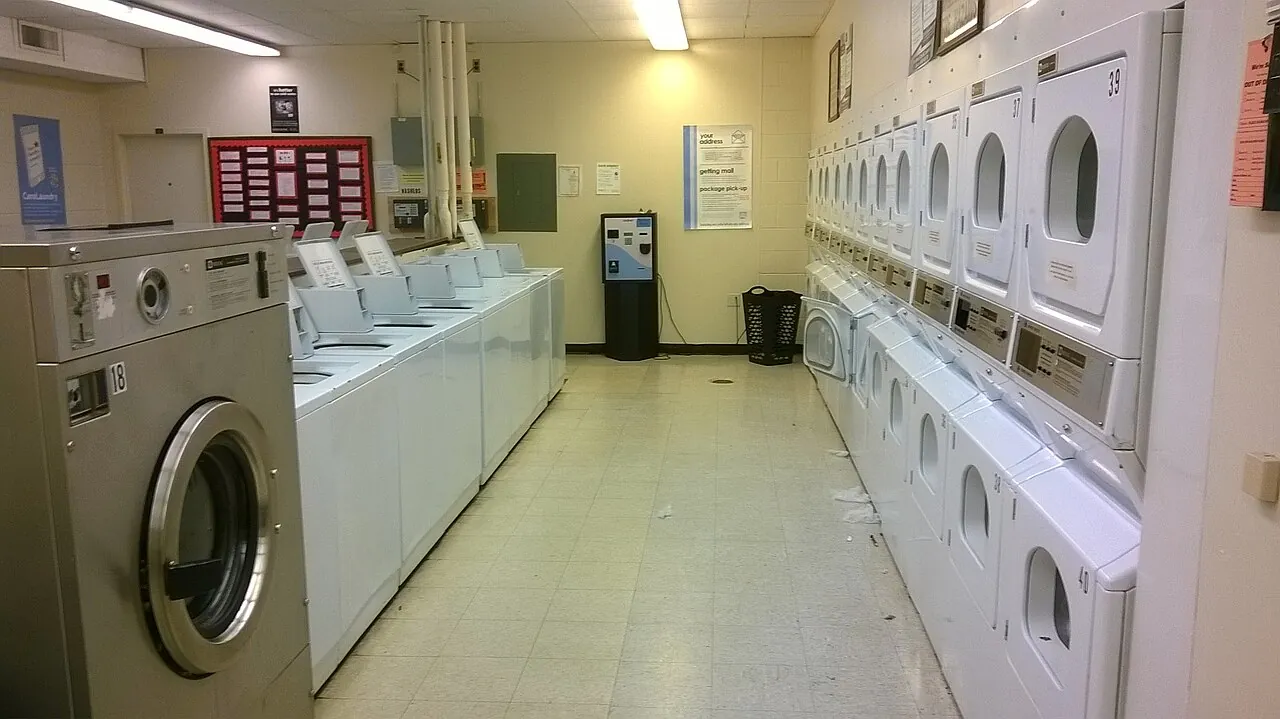
Shared laundry room with washers and dryers, seen through a door marked Laundry

National dryer fire figures

2,900
residential dryer fires a year, USFA 2008 to 2010
13,820
home dryer fires a year, NFPA 2014 to 2018
34%
caused by failure to clean, USFA
4%
of home structure fires involve a dryer, NFPA
Prevention

What actually prevents a dryer fire?

Cleaning, mostly. In NFPA's analysis, failure to clean accounted for 32 percent of home dryer fires and for all seven of the average annual deaths. The other big causes, mechanical and electrical failure, belong to the appliance. These six habits come straight from NFPA, USFA and CPSC guidance.
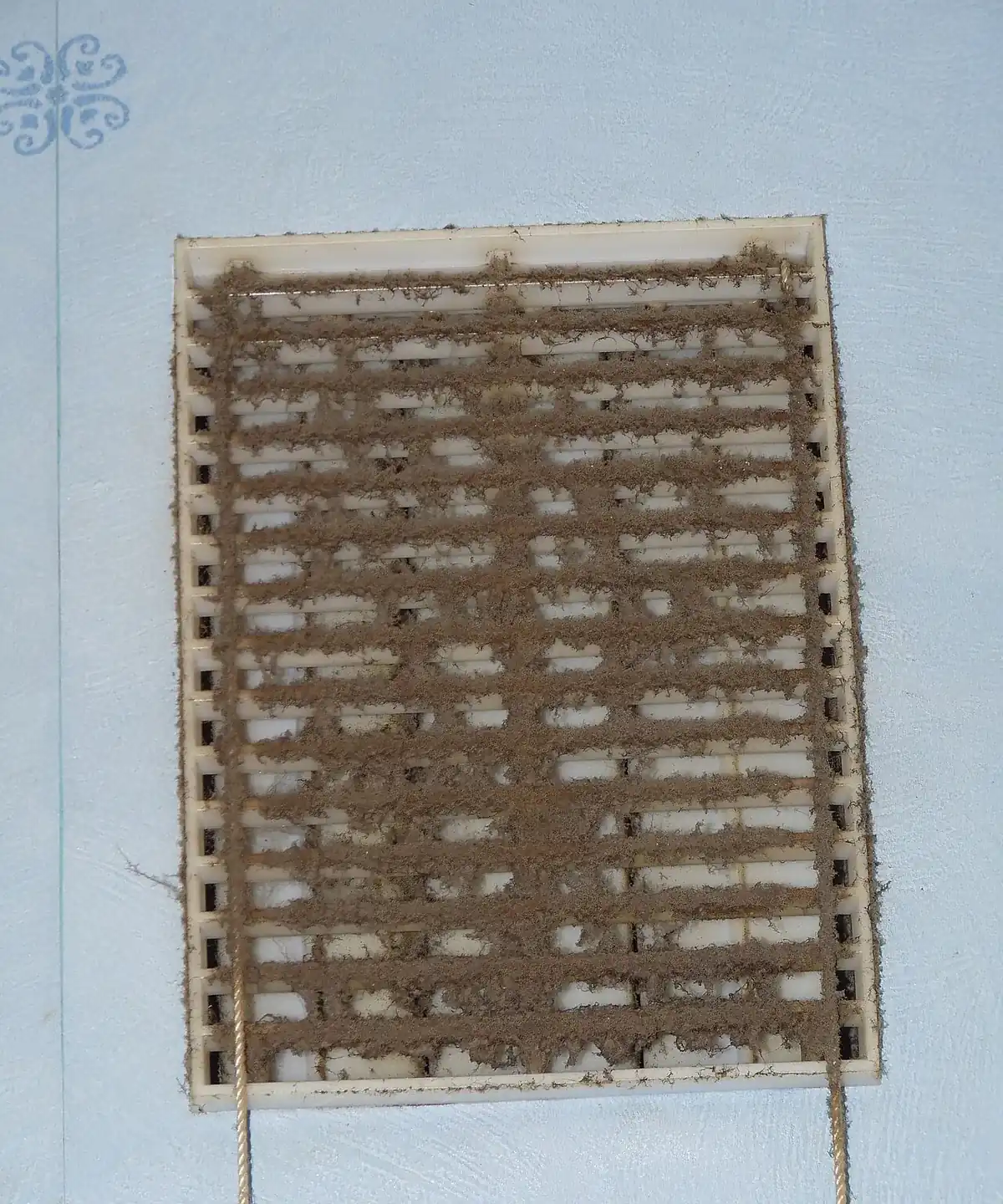
  • Clean the screen every load
  • Clean the vent once a year
  • Use metal duct, not foil
  • Keep the area behind it clear
  • Check the cap flap opens
  • Inspect gas lines and fittings
Wall vent grille clogged with thick dust and fluff
Reading the numbers

Why do the two national figures differ?

USFA and NFPA both estimate U.S. dryer fires, but they count different things, so never blend them.

  • USFA2008 to 2010 averages, residential buildings, from NFIRS: about 2,900 fires, 5 deaths, 100 injuries a year.
  • NFPA2014 to 2018 averages, homes including apartments, combining NFIRS with its own fire department survey: about 13,820 fires, 7 deaths, 344 injuries a year.
  • Leading factorFailure to clean in both: 34 percent for USFA, 32 percent for NFPA.
  • First item ignitedDust, fiber or lint in 28 percent (USFA) and 27 percent (NFPA).
  • Not a trendThe methods differ, so the gap between the two is not a rise in fires.

Habits

Which dryer habits lower the risk?

1

Every load

Clean the lint screen before or after each load; USFA's flyer says before and after each cycle.

2

Every year

Have the vent cleaned once a year, or sooner if drying takes longer, as NFPA advises.

3

Right duct

Swap plastic or foil accordion duct for rigid or semi-rigid metal, as CPSC recommends.

4

Gas dryers

Have a qualified person check the supply line and fitting for leaks and damage, per NFPA.

Oahu context

What dryer fire risk looks like on Oahu

No Hawaii dryer fire count was found in the sources we use, so we will not quote one. What the national data does show maps onto the island in two ways. USFA found 17 percent of residential dryer fires in multifamily buildings, and in urban Honolulu nearly half of housing units sit in buildings of 20 or more units, where one unit's lint shares walls with many neighbors. And 83 percent of those fires started in a laundry area, which in a stacked condo is often a closet next to the kitchen. USFA also saw fires peak in January nationally; whether that winter pattern holds in Hawaii's climate has not been measured.
Stacked laundry closets Shared walls Year-round use Sourced numbers only
Two tall residential towers rising above low buildings in Honolulu, mountains behind
Reduce the risk

Dryer vent services in Honolulu

The single biggest factor in the data is cleaning. These are the ways we help.

01

Fire facts

No Hawaii count was found. Nationally, USFA estimated about 2,900 residential dryer fires a year in 2008 to 2010, and NFPA about 13,820 home dryer fires a year in 2014 to 2018, using a different method.
Failure to clean. It was the leading factor in USFA's data at 34 percent and in NFPA's at 32 percent, and NFPA's table ties it to all seven of the average annual deaths.
Dust, fiber and lint, in 28 percent of USFA's cases, with clothing not on a person close behind at 27 percent. NFPA found lint first ignited in 27 percent.
Mostly in the laundry area: 83 percent in USFA's data. More than half, 54 percent, stayed confined to the dryer itself.
NFPA found 78 percent of dryers in fires were electric and 22 percent gas, which tracks how many homes own each. Gas dryers add a supply line to check, and their exhaust must carry combustion products out.
02

Prevention

The exhaust has to carry combustion products outdoors, so a blocked vent defeats that. We found no sourced count of CO injuries from blocked dryer vents, so we will not quote one.
The third edition of the electric dryer safety standard, UL 2158, effective in 2016, added blockage tests and fire containment requirements. It reduces risk inside the machine; it does not clean the duct.
Once a year, or sooner if drying takes longer than normal, according to NFPA. Clean the lint screen every load as well.
Yes, now and then. Lint builds up inside the cabinet as well as in the duct, and CPSC advises having a qualified service person clean the inside of the dryer periodically. That is an appliance job, separate from the vent.
The data we have does not compare risk per dryer. It does show that 17 percent of USFA's residential dryer fires were in multifamily buildings, where a fire affects neighbors too. Keep the unit branch clean and report riser concerns to the association.

Last vent cleaning a while ago? Book one now.

Talk to us
(808) 468-7725
Call Now →
Sunday to Thursday 6 a.m. to midnight, Friday 6 a.m. to 3:30 p.m.
Call (808) 468-7725