
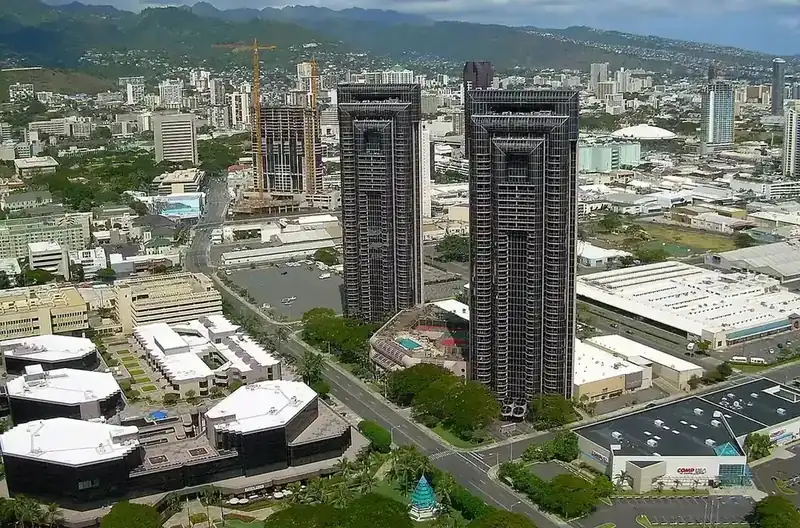
Condo and High-Rise Vents
Unit branch ducts in shared-riser towers, cleaned with the building's own rules in mind.
More on Condo and High-Rise Vents →Moving a dryer, adding a laundry room or rerouting a duct? This is what the code Hawaii adopted requires of a new dryer vent, the length limits that catch most reroutes, and how the state treats the work.
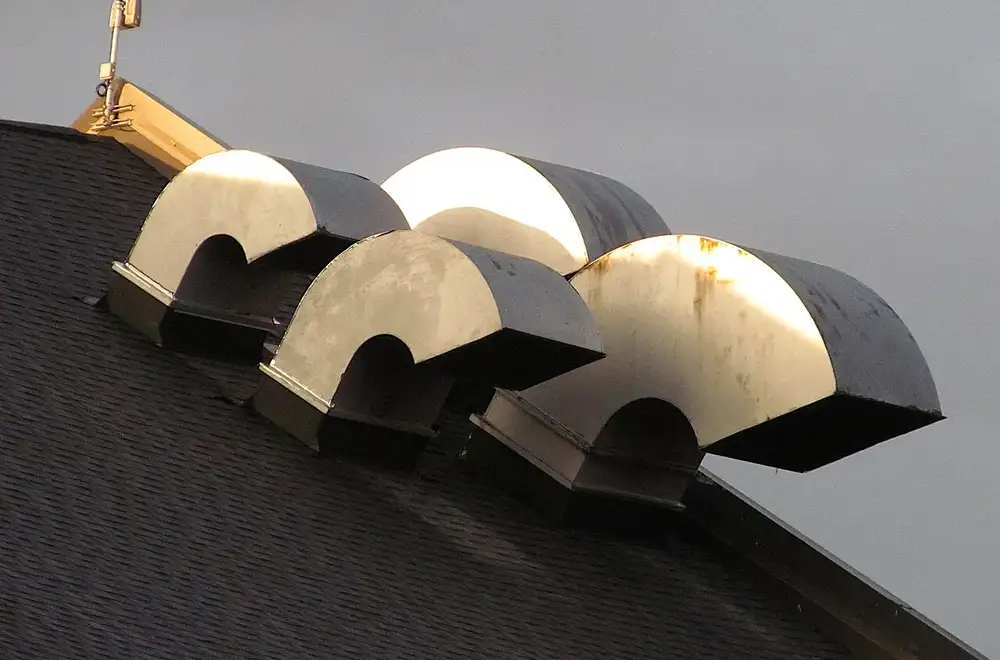
An independent duct of smooth metal, run as short and straight as the room allows, ending outside with a damper and no screen. The residential code Hawaii uses is the 2018 IRC, and the state's amendments leave its dryer exhaust section as written. These six points cover most of it.
The code gives three ways to set the maximum length, and a reroute has to satisfy one of them.
| Fitting | 45 degree bend | 90 degree bend |
|---|---|---|
| 4 in. radius, mitered | 2 ft 6 in. | 5 ft |
| 6 in. radius, smooth | 1 ft | 1 ft 9 in. |
| 8 in. radius, smooth | 1 ft | 1 ft 7 in. |
| 10 in. radius, smooth | 9 in. | 1 ft 6 in. |
Choose an outside wall over the roof where possible; roof caps are harder to service and attract nests.
Add straight duct and fitting deductions, then compare against 35 feet and the dryer maker's chart.
Cavities must be big enough not to deform the duct, with steel shield plates where it sits close to the face.
Installing duct work sits inside Hawaii's C-52 and C-44 contractor classifications. We inspect and clean, before and after.
A contractor in the matching classification, in most cases. Hawaii's contractor law covers anyone who offers or undertakes to alter or improve a building, and installing duct work falls inside the written scope of the C-52 ventilating and C-44 sheet metal classifications. A small-job exemption exists, but it is lost whenever a building permit is required, cannot be used by splitting a job, and does not allow advertising as a contractor. Whether Honolulu requires a permit for a dryer duct reroute was not something we could confirm, so ask the City and County before work starts. Our part is the inspection and cleaning on either side of it.

We do not install vents. We inspect them before a reroute and clean them after.
Unit branch ducts in shared-riser towers, cleaned with the building's own rules in mind.
More on Condo and High-Rise Vents →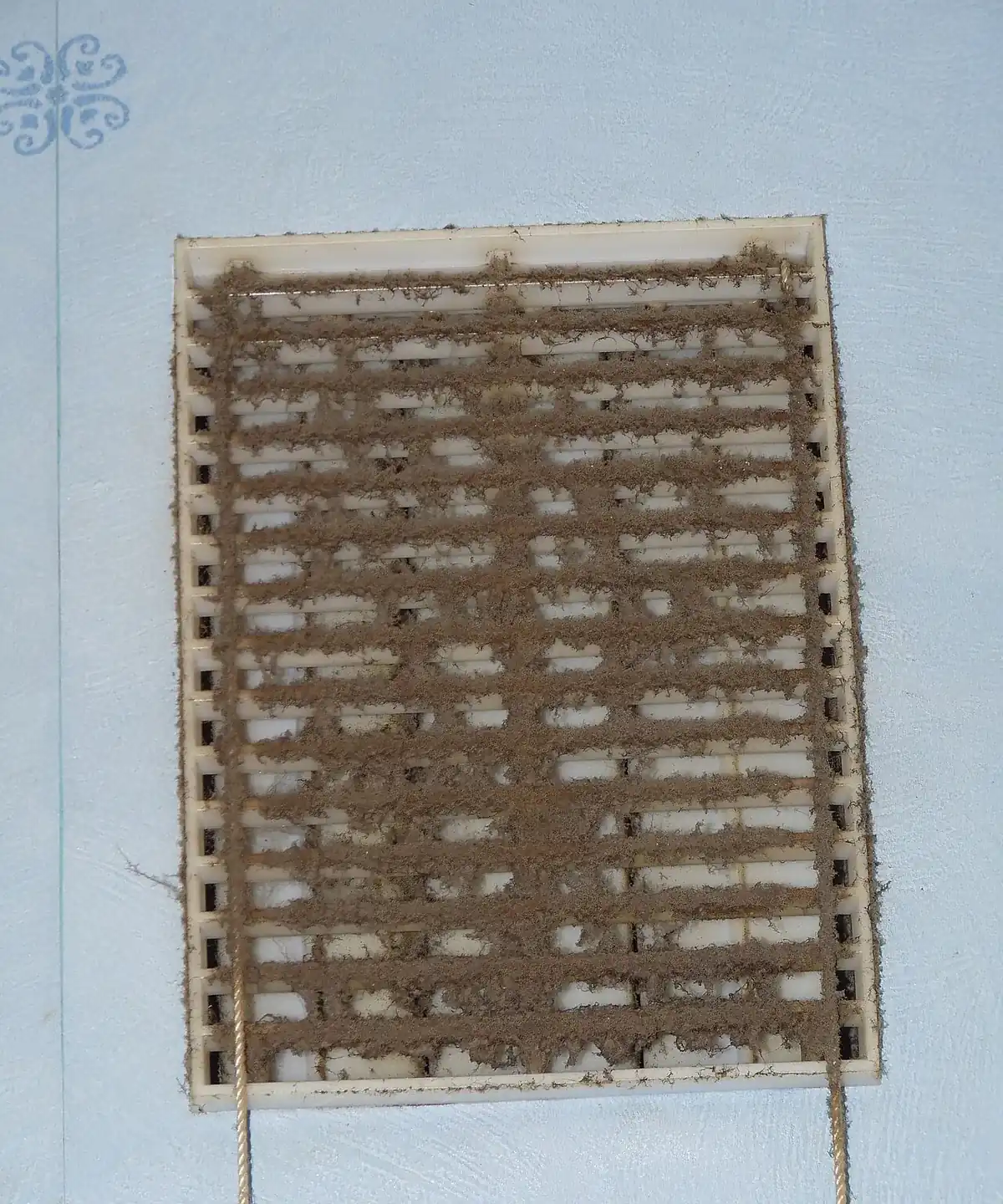
A camera look and an airflow reading that show what the duct is really like inside.
More on Dryer Vent Inspection →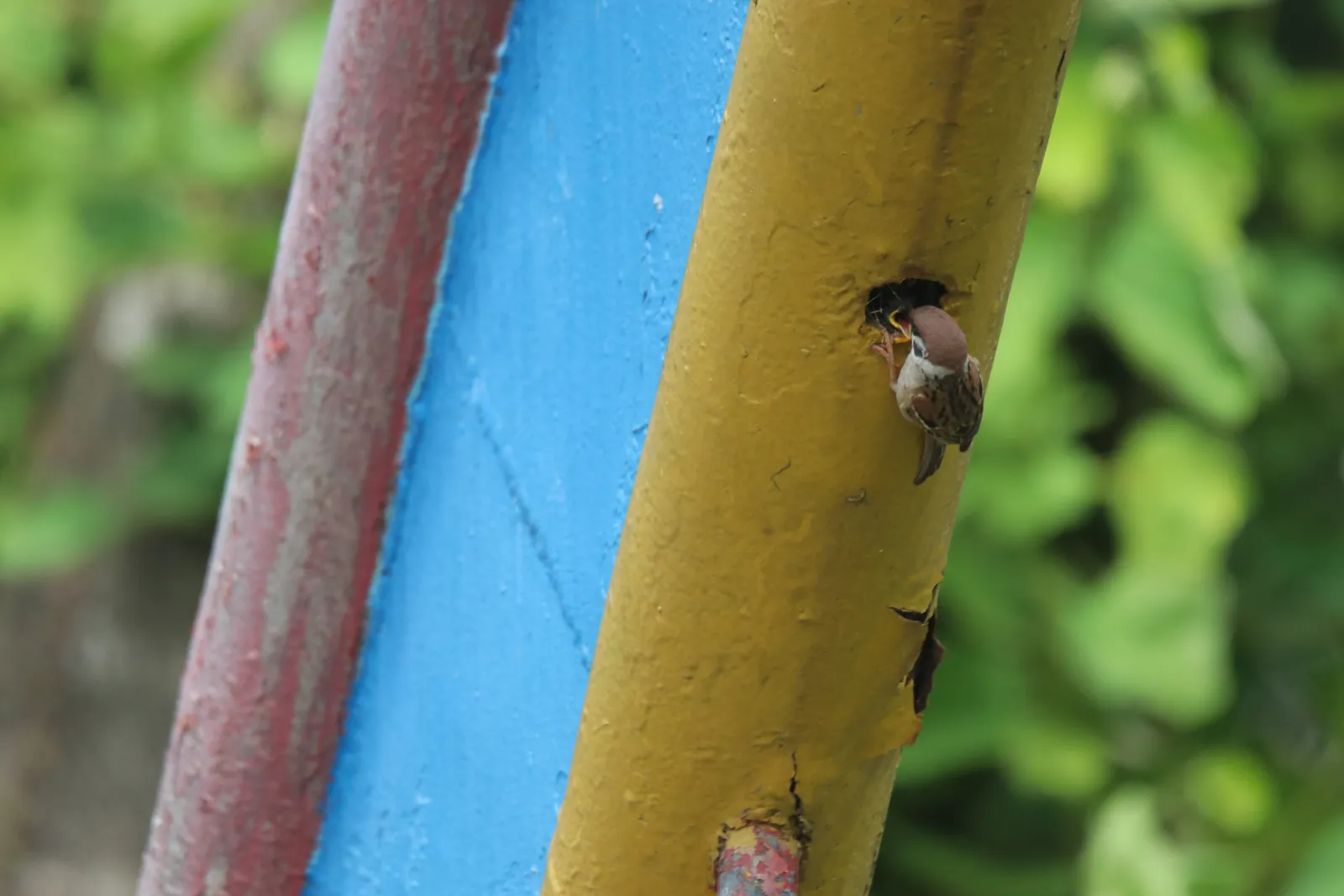
Nests and packed lint pulled from the outside cap so the damper can swing again.
More on Bird Nest Removal →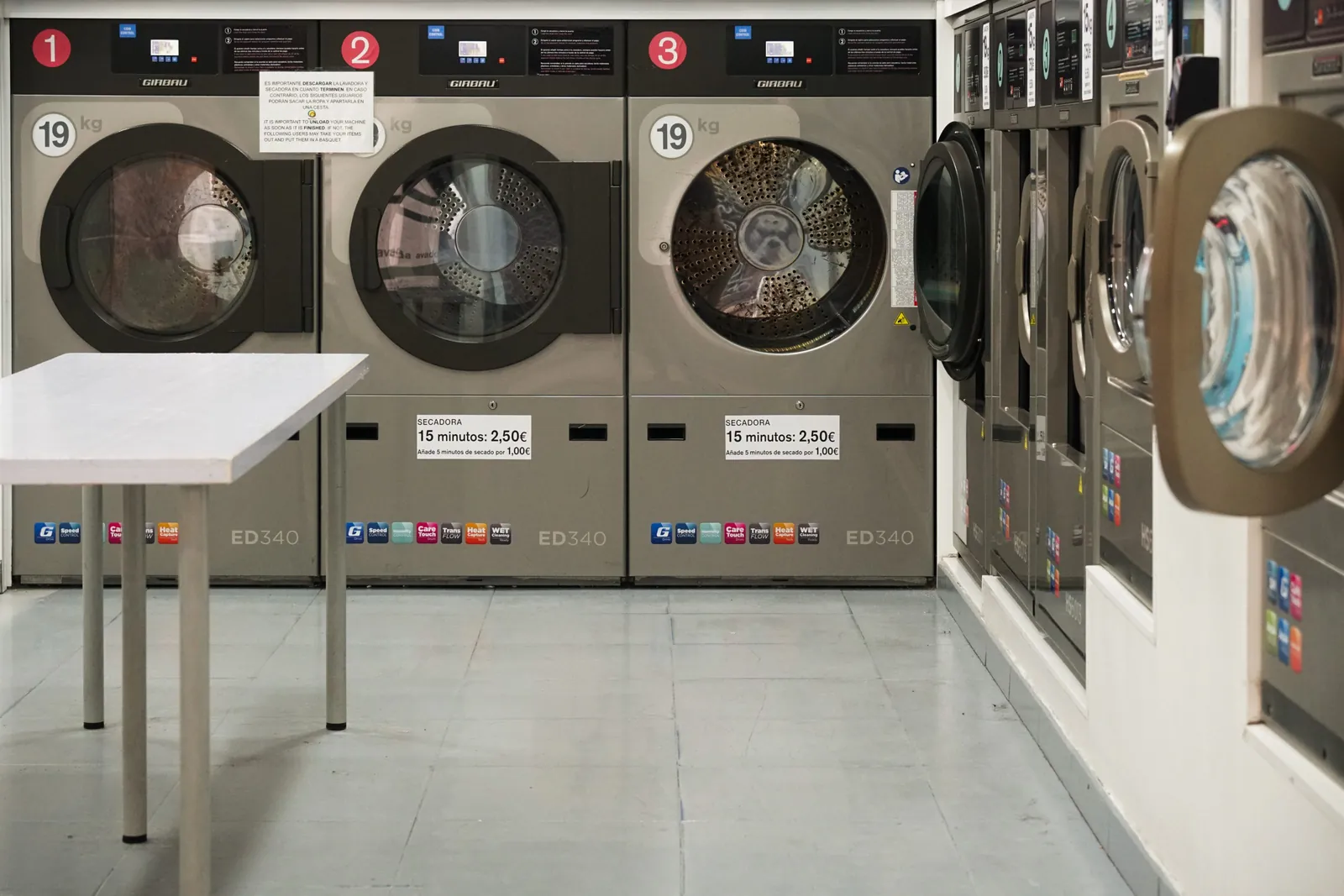
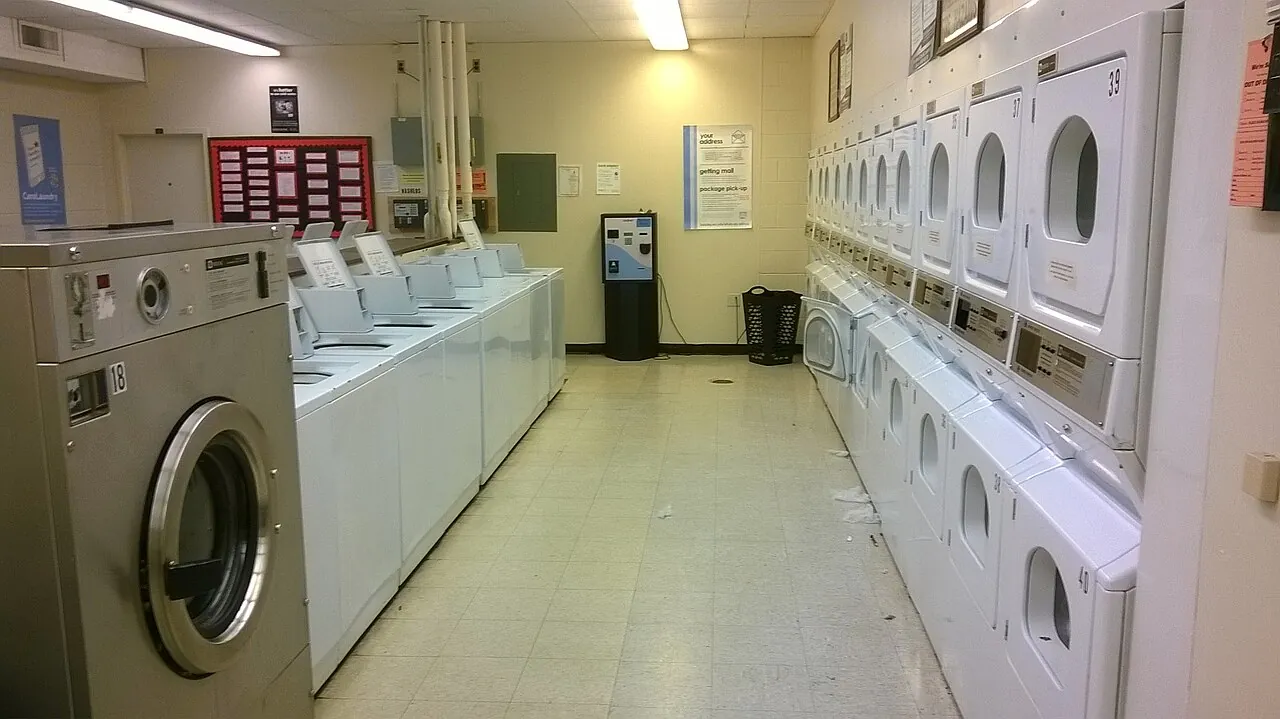
Multi-dryer exhaust for coin laundries, hotels and building laundry rooms.
More on Commercial Dryer Vents →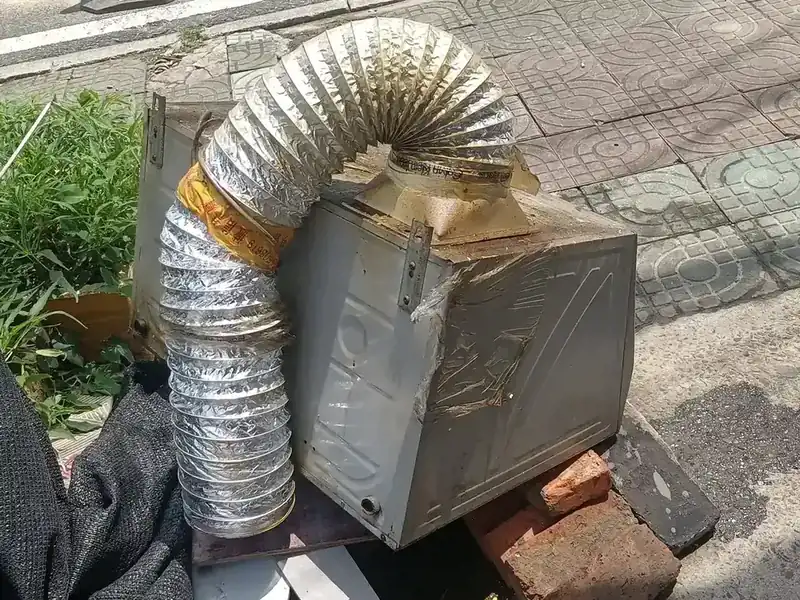
Crushed connectors, foil duct and stray screws: what cleaning fixes and what it cannot.
More on Dryer Vent Repair →Code length limits and routing rules to know before any duct is moved or replaced.
More on Dryer Vent Installation →